
Every host wants 5-star reviews. But wanting them and consistently getting them are two different things and the gap between the two is usually not what hosts expect.
After years of staying in Airbnbs and studying what separates the properties that rack up glowing reviews from the ones that plateau at 4 stars, one thing becomes clear: guests don’t rate logically. They rate emotionally. They’re not scoring your property against a checklist. They’re reflecting on how the stay felt, how easy things were, how comfortable they were, whether anything surprised them in a good way.
That shift in perspective changes everything about how you approach hosting. Here are seven strategies that consistently produce 5-star reviews, based on real experience rather than guesswork.
1. Stop Aiming for “Good”. Aim for Better Than Expected
Here’s the uncomfortable truth about 4-star reviews: they usually mean everything was fine. The space was clean, the Wi-Fi worked, the host responded to messages. Guests got what they paid for. And that’s exactly the problem.
Guests don’t leave 5-star reviews because their expectations were met. They leave them because their expectations were exceeded — even slightly. A space that’s just as described earns a nod of satisfaction. A space that’s a little better than described earns a review.
The good news is that exceeding expectations doesn’t require expensive upgrades or dramatic gestures. It requires small, thoughtful touches that feel personal:
- A handwritten welcome note on the kitchen counter
- A few coffee capsules or tea bags waiting by the kettle
- A short printed list of your favourite local spots — the café you actually go to, the best place for a morning walk, the restaurant that’s worth booking ahead
These touches cost almost nothing. But they signal to guests that a real person prepared this space with their experience in mind, and that feeling is what gets written into reviews.
2. Cleanliness Is the Foundation Everything Else Rests On
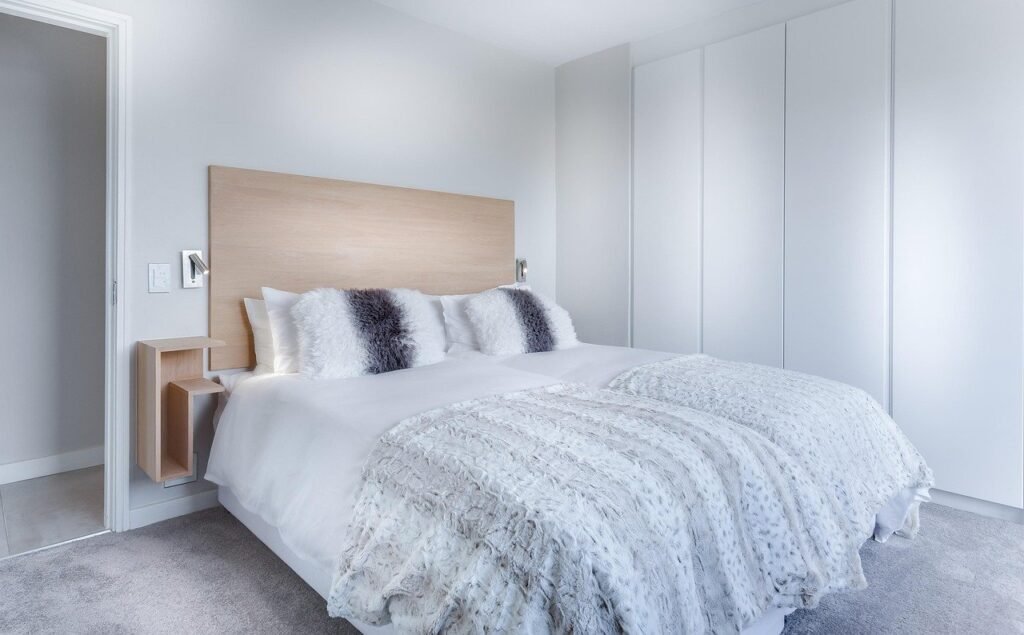
Clean sheets

There’s no point working on welcome notes and local recommendations if the space isn’t spotless. Cleanliness is Airbnb’s most heavily weighted review category for a reason: it’s the single thing guests are least willing to forgive.
Guests will overlook a small quirk in the layout, a slightly slow Wi-Fi connection, or a shower with modest water pressure. They will not overlook a hair on the bathroom floor, a greasy hob, or sheets that smell like they’ve been in the cupboard too long. These things don’t just affect the cleanliness score, they colour the entire stay and surface repeatedly in reviews.
The areas that hosts most commonly miss:
- The wall beside the toile: scuffs and marks accumulate here and guests notice
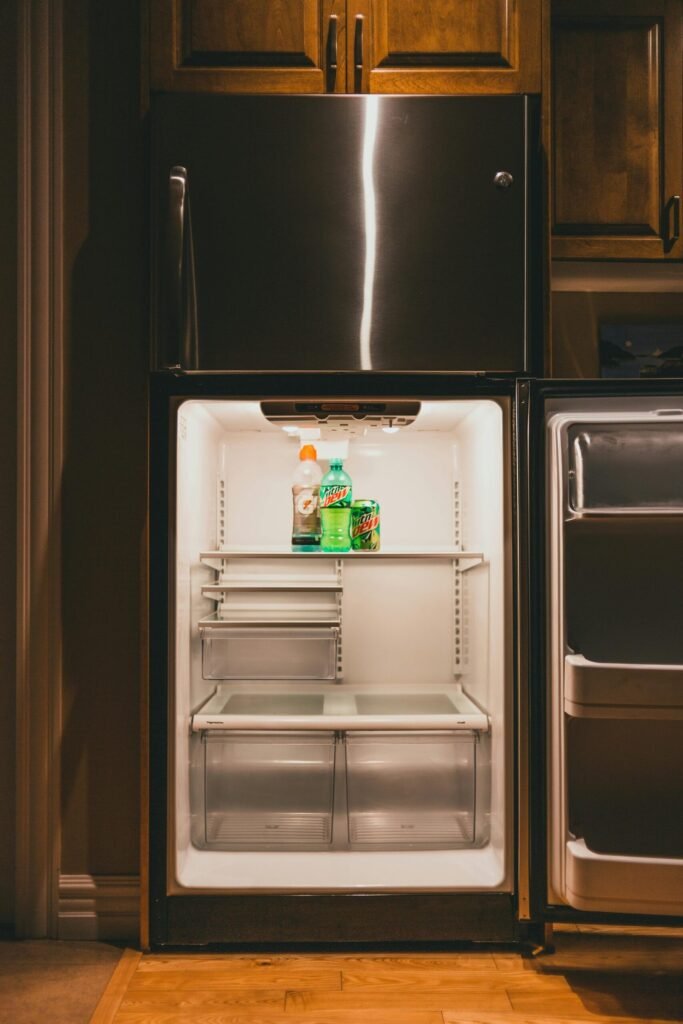
- The inside of the microwave and the back of the fridge
- Light switches, door handles, and remote controls: touched constantly, cleaned rarely
- Behind and underneath furniture near the entrance
- Curtains and soft furnishings: wash these more often than feels necessary
A reliable turnover checklist is the single most effective tool for consistent cleanliness. When you’re working quickly between guests, it’s easy to miss things. A checklist means nothing gets skipped, no matter how rushed the turnover.
Guests forgive small things, but NEVER dirt. This is your fastest way to get 5-star reviews.
3. Communicate Faster Than Guests Expect
Response time is one of the factors Airbnb directly measures and rewards with better search visibility, but more importantly, it shapes how guests feel about the stay before they even arrive.
A guest who sends a question and gets a reply within minutes feels looked after. A guest who waits six hours wonders whether the host is attentive, whether they’ll respond quickly if something goes wrong, whether the stay will feel supported. That anxiety is hard to shake, and it influences how guests perceive everything else.
The practical approach:
- Reply to enquiries and messages within an hour wherever possible . Airbnb’s app notifications make this manageable even if you’re not at your desk
- Send a pre-arrival message one to two days before check-in confirming the details, sharing the access instructions, and welcoming the guest by name
- Check in briefly during the stay. A short message on day one or two, asking if everything is comfortable, goes a long way, and catches any issues before they become problems
That last point is worth pausing on. Most guests who are slightly disappointed with something won’t mention it during their stay. They’ll quietly note it and reflect it in their review. A simple “is everything comfortable?” message creates an opening for them to raise it which gives you a chance to fix it before checkout rather than read about it afterwards.
4. Set Honest Expectations. Then Beat Them
Overpromising is one of the most common and most damaging mistakes Airbnb hosts make. A listing that describes a space as “spacious and bright” when it’s actually compact and faces a wall is setting up every guest for disappointment before they’ve even arrived. And disappointed guest, even when the space is perfectly clean and well-run, rarely give 5 stars.
The most consistently well-reviewed listings are honest. They describe the space accurately, mention the things that might not suit everyone (street noise, a narrow staircase, no lift), and let guests self-select. The guests who book know what they’re getting, and when the space turns out to be just as good as described, or slightly better, they leave satisfied.
Slightly underselling and then overdelivering is a reliable formula. Describe what you have honestly. Then make sure the reality is a little warmer, a little more welcoming, and a little more thoughtful than the listing suggests.
5. Solve Problems Before Checkout, Not After
Issues happen. A lightbulb blows, the hot water takes longer than usual to arrive, the heating is confusing to operate. How you handle these moments matters far more than whether they happen at all.
Guests are remarkably forgiving of problems that are acknowledged and resolved quickly. They are far less forgiving of problems that were raised and ignored or that they felt they couldn’t raise at all. The review isn’t about what went wrong; it’s about whether they felt cared for when it did.
The proactive approach is to check in during the stay rather than waiting to hear from guests. A brief message asking whether they need anything, especially for stays of three nights or longer, creates space for guests to mention something that’s bothering them without feeling like they’re complaining. Fix it promptly, follow up to make sure it’s resolved, and the issue disappears from the review entirely.
Also: always inspect the space yourself before guests arrive, even if you use a cleaning service. No one knows the property better than you, and a final walk-through takes ten minutes but catches the things that affect reviews.
6. Make the Last Impression as Strong as the First
Hosts put a lot of thought into the arrival experience and then leave the departure experience to chance. This is a missed opportunity, because the last impression has an outsized influence on how guests feel when they sit down to write their review.
A confusing or stressful checkout leaves guests with a slightly sour final note, even if the rest of the stay was excellent. Clear, simple checkout instructions remove that friction entirely. Guests know what’s expected of them, they leave without stress, and they carry a positive final feeling into their review.
A short thank-you message sent after checkout, something warm and brief, acknowledging that you hope they enjoyed the stay, is the final touch that brings the experience to a clean, positive close. It also serves as a natural, genuine prompt for a review without ever pressuring guests to leave one.
7. Ask for Reviews. Politely and at the Right Moment
Most guests who have a good stay intend to leave a review. Most of them don’t, because life gets in the way. They get home, unpack, go back to work, and the review slips down the list until the window closes.
A single, well-timed message after checkout can move the review rate from around 40–50% to closer to 70–80%. That’s not a small difference, it’s the difference between a listing with growing social proof and one that stays thin.
The message doesn’t need to be elaborate. Something along the lines of: “Thank you so much for staying — it was great to have you. If you have a moment and enjoyed your stay, a review would mean a lot. It genuinely helps other guests find the listing and supports a small host like me.”
Two things to avoid: asking more than once (one message is enough), and hinting at a specific rating. Asking for an honest review is fine. Asking for 5 stars feels transactional and puts guests in an awkward position. The review should be theirs to give freely.
The Bigger Picture: Guests Rate How They Felt, Not What They Got
The hosts who build the strongest review profiles aren’t necessarily the ones with the most impressive properties. They’re the ones who understand that guests are rating an experience, not a list of features.
Clean, communicative, honest, and just a little warmer than expected. That combination, applied consistently, is what 5-star reviews are made of. None of it is complicated. All of it takes care.
💛 Frequently Asked Questions
1. Do Airbnb reviews directly affect search ranking?
Yes. Airbnb’s search algorithm favours listings with higher ratings and more reviews. Consistent 5-star feedback improves your visibility and leads to more bookings over time.
2. What’s the most common reason hosts get 4 stars instead of 5?
Usually, it’s unmet expectations. The listing oversold something, or a small cleanliness issue went unaddressed. Guests who feel slightly let down default to 4 stars rather than raising the issue directly.
3. Should I respond to reviews — including negative ones?
Yes. Responding to reviews shows prospective guests that you’re an engaged, professional host. For critical reviews, a calm and constructive response that acknowledges the guest’s experience and explains what you’ve done to address it can actually improve your listing’s credibility.
4. How soon after checkout should I ask for a review?
Within 24 hours is ideal. While the stay is still fresh and before guests have fully moved on. Airbnb also sends its own review reminder, so your message is a personal touch on top of the platform prompt.
Also check out:
- Airbnb Guest Essentials Checklist
- Printable Recipe Cards (create your own collection)
- Airbnb Welcome Template
Because when your Airbnb feels more like home, everyone wins.
Stay in the Loop
Get more tips:
- IE Registration and Banking in Georgia: The Full Story
 How to register as an IE and open a bank account in Georgia, plus the work permit chaos nobody warns you about. Honest guide from real experience in Tbilisi.
 - Moving to Tbilisi as an EU/Non-EU Couple: Honest GuideWhere can an EU and non-EU couple live for over a year without a visa? Georgia. Here’s what we learned about Tbilisi: banking, noise, food, and everything else.