Starting an Airbnb looks straightforward from the outside. List your space, upload some photos, set your price, and wait for bookings. And in the beginning, that might even work. But at some point, usually after a string of 4-star reviews or a frustratingly empty calendar, most new hosts realize that the difference between a struggling listing and a consistently booked one comes down to a handful of things they hadn’t thought to do.
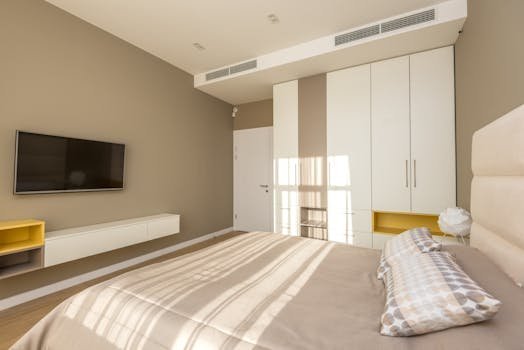
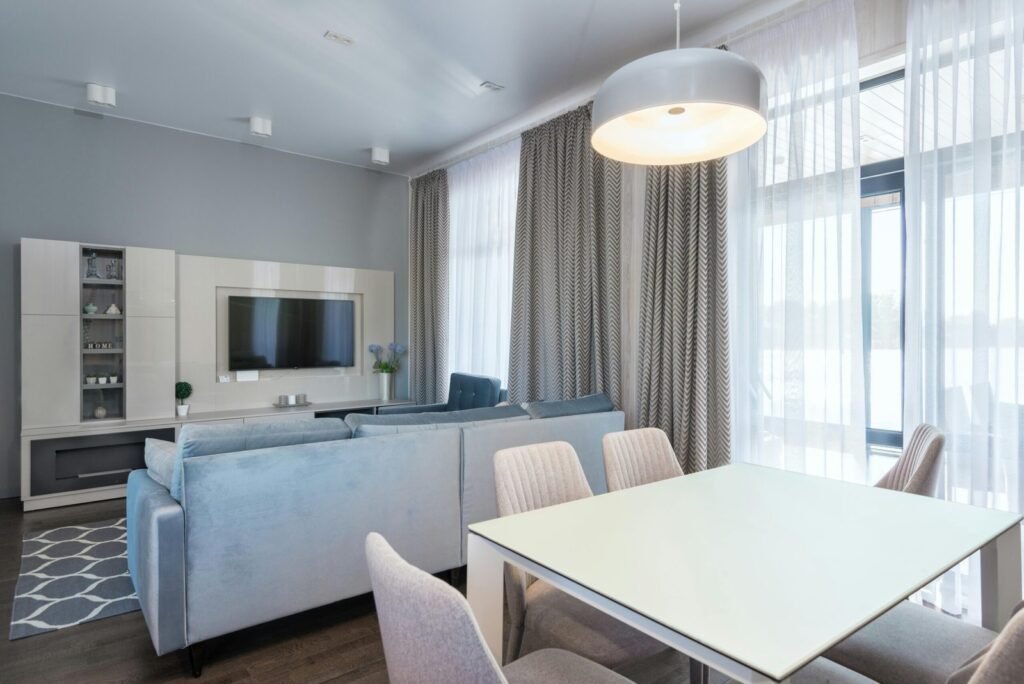
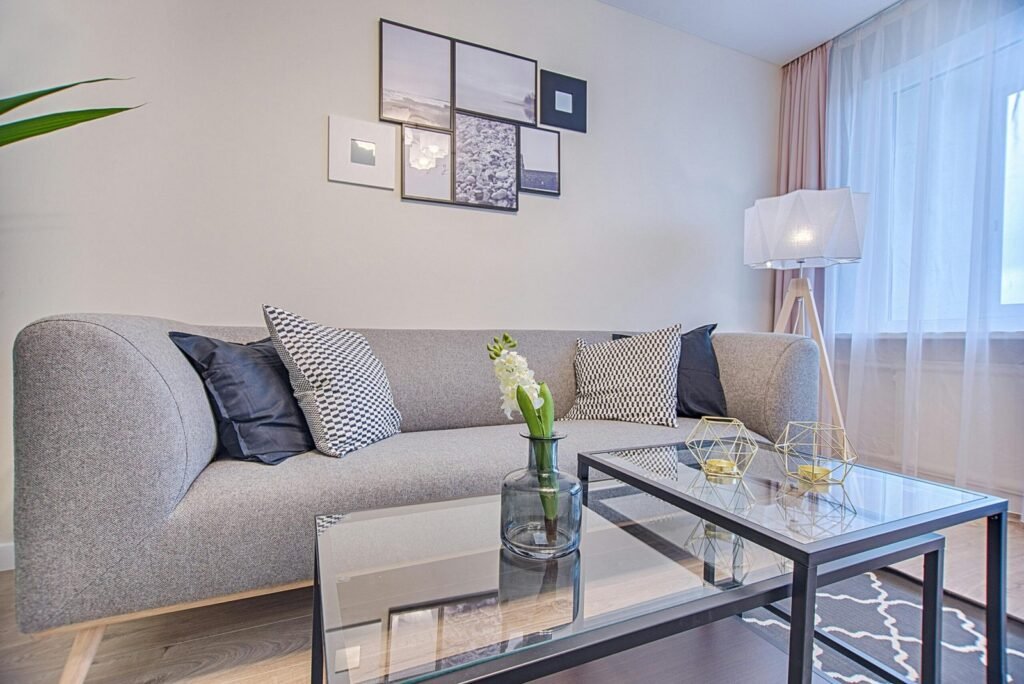
After years of staying in Airbnbs across different countries, certain patterns emerge on the guest side. The same mistakes show up again and again — not in dramatically bad listings, but in the perfectly decent ones that never quite reach their potential. Here are the seven most common ones, and exactly what to do about each.
1. Treating It Like a Spare Room Rather Than a Guest Experience
This is where most new hosts begin, and it’s the hardest mindset to shift. The space is technically fine, clean enough, functional, with a bed and a bathroom. But “fine” is not what earns bookings or reviews. What earns bookings is a listing that makes someone looking at it think: I’d actually enjoy staying there.
Guests are not comparing your space to the spare room you think it resembles. They’re comparing it to the other listings in their search results, to hotels they’ve stayed in, and to the occasional exceptional Airbnb they’ve experienced and haven’t stopped thinking about. The bar, in other words, is higher than it feels when you’re standing in your own space.
The fix isn’t expensive. It’s intentional. Walk through your property as if you’re arriving after a long journey and ask yourself honestly: Does this feel welcoming? Is there somewhere comfortable to sit? Does the bedroom feel like somewhere you’d actually want to sleep? Small change, warm lighting, neutral and uncluttered decor, a throw on the sofa, shift the answer from “it’s fine” to “this is lovely.” That’s the shift that changes reviews.
Download Homirenn Airbnb Guest Essentials Checklist
2. Listing Photos That Don’t Do the Space Justice
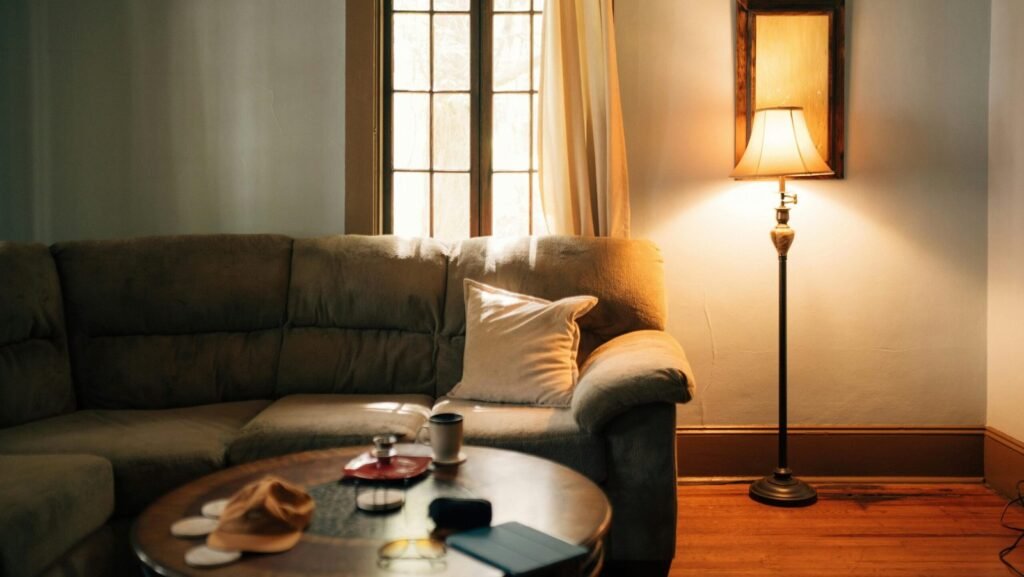
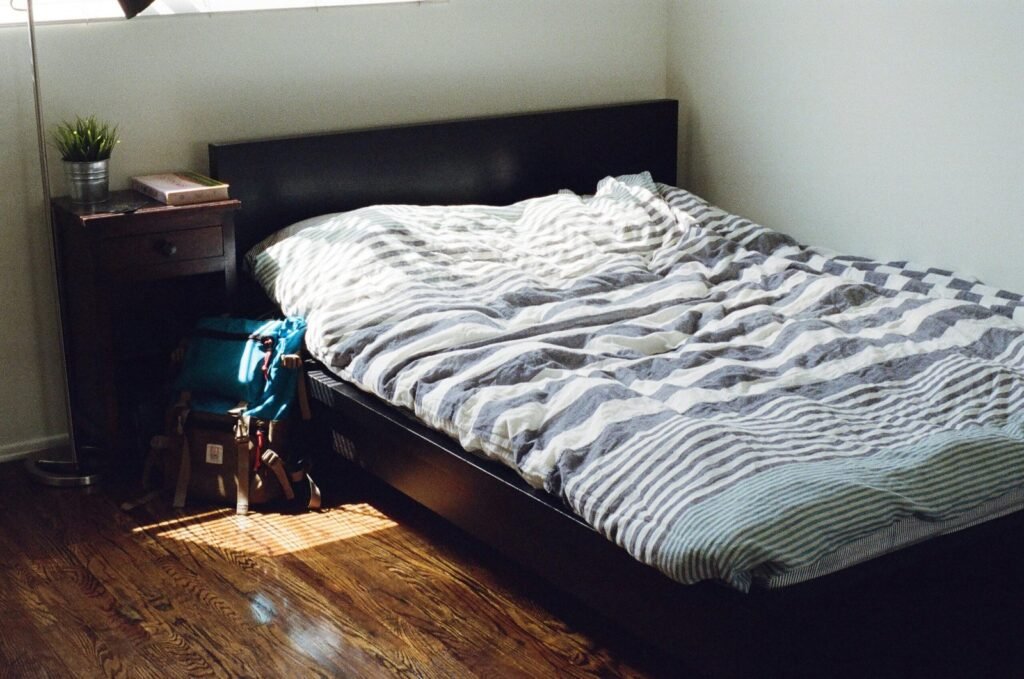
Photos are the single biggest factor in whether a guest clicks on your listing or scrolls past it. Before they read your description, before they check your reviews, before they look at your price, they’ve already formed an opinion based on your first photo. If it doesn’t stop them, nothing else gets a chance.
The most common photo mistakes new hosts make:
- Shooting in poor light — dark or artificially lit rooms look small and uninviting
- Leaving the space cluttered — personal items, cables, and surface clutter all read badly on camera
- Using misleading angles — wide-angle shots that make a small room look enormous set guests up for disappointment, which shows up in reviews
- Missing key areas — guests want to see the bedroom, bathroom, kitchen, and living space before they book
You don’t need a professional photographer to fix this, though it’s worth considering for your main photo. What you do need is natural daylight, a tidy space, and a willingness to take 20–30 shots and pick the best ones. Shoot during the day with curtains open. Clear everything off surfaces. Stand in the corner of each room to capture as much of the space as possible. Honest, bright photos consistently outperform glamorous but misleading ones — because they attract guests who arrive with accurate expectations, which means better reviews.
3. Missing the Essentials Guests Take for Granted
There’s a long list of things guests don’t notice when they’re there and immediately notice when they’re not. Essentials aren’t extras. They’re the baseline guests assume is covered when they book, and when they arrive to find something missing, it colours the entire stay.
The non-negotiables that new hosts most commonly overlook:
- Enough towels — at least two per guest (bath towel and hand towel at minimum), clean and dry
- Toilet paper — a full roll on the holder and a visible spare nearby
- Soap and basic toiletries — hand soap, shampoo, and shower gel don’t need to be luxury brands, but they need to be there
- A kitchen that’s actually usable — not just a hob and a pan, but the things that make cooking possible: a sharp knife, a chopping board, basic seasonings, a colander, a tin opener
- Wi-Fi that works — test it before every stay, and make sure the details are clearly displayed
A guest essentials checklist run through before every check-in is the most reliable way to make sure nothing gets missed. It takes ten minutes and prevents the kind of review that says “everything was fine, but there was no…”, which is almost always something that could have been avoided.
4. Making Check-In More Complicated Than It Needs to Be
Guests arrive at your property at the end of a journey. They may be tired, carrying luggage, unfamiliar with the area, and operating a phone with 12% battery. The last thing they want is a check-in process that requires them to decode instructions, hunt for a lockbox, or message you because something isn’t where it’s supposed to be.
Complicated check-in is one of the most common sources of that first negative impression that’s hard to shake, the one that makes guests slightly guarded for the rest of the stay even if everything else goes smoothly.
What works: a single, short check-in guide that covers exactly what the guest needs to do from the moment they arrive at the building. The door code or key location. A photo of the entrance if it’s easy to miss. Which floor, which door. How to operate anything that isn’t obvious. No more than a page. Sent in advance and also available in the space.
Self check-in, via a key lockbox or smart lock, removes the pressure of timing entirely and is consistently preferred by guests who want flexibility. If you can offer it, it’s worth setting up.
5. Overlooking the Small Comfort Details
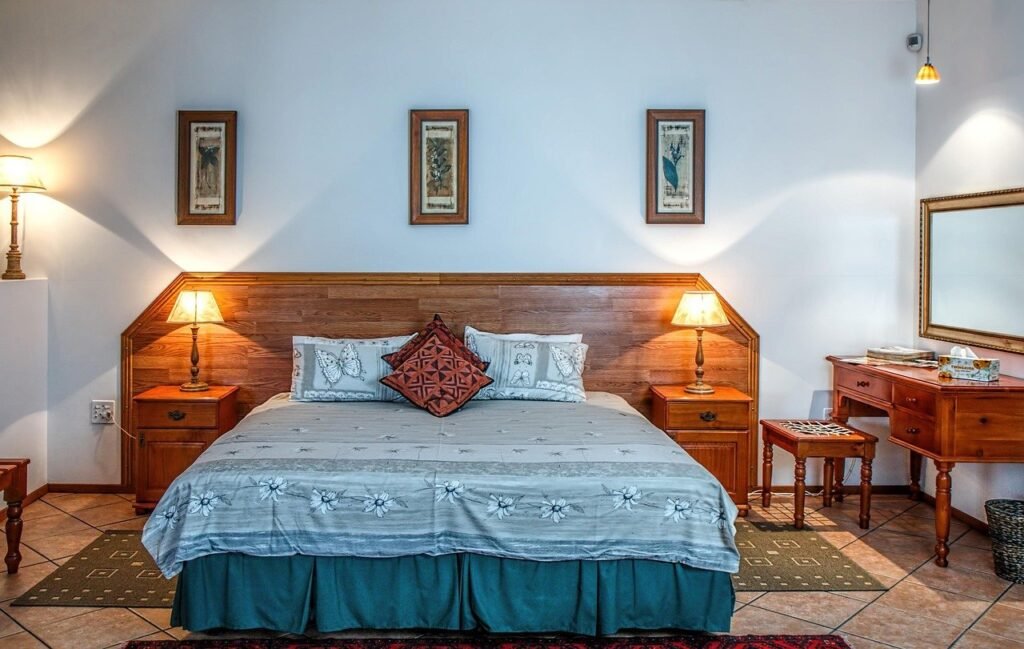
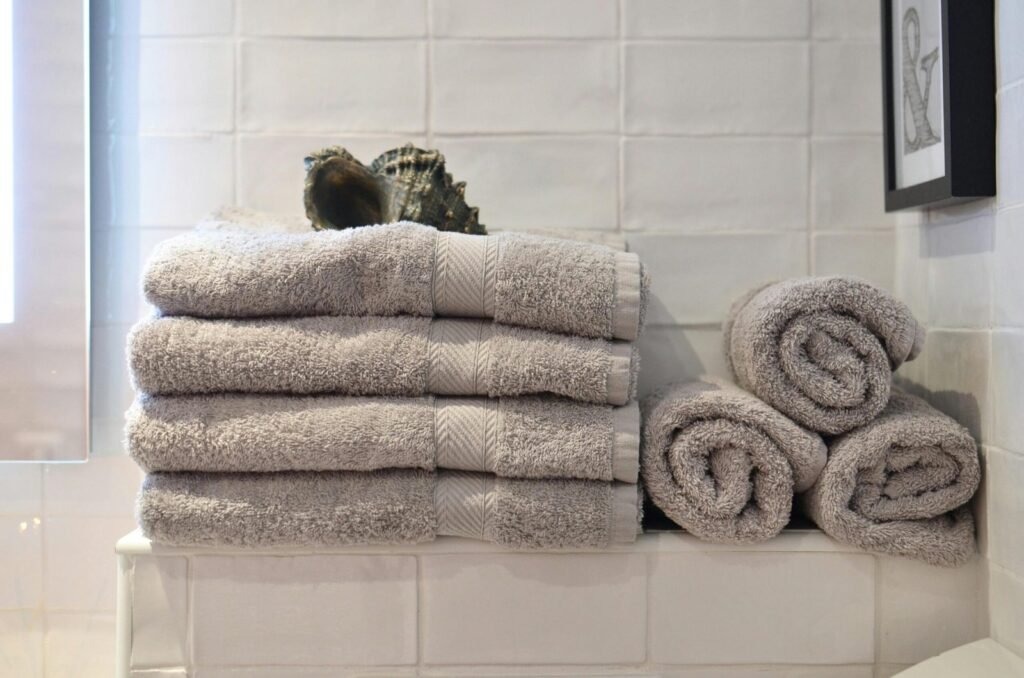
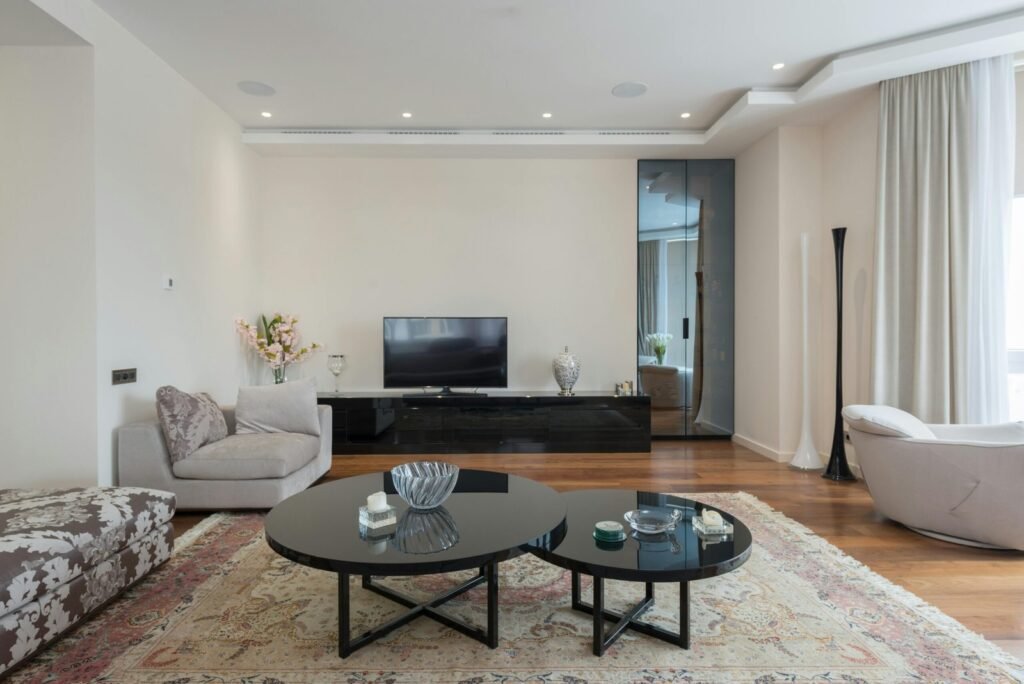
This is where listings that are doing most things right still fall short of exceptional. The basics are covered, it’s clean, the essentials are there, and the check-in was smooth. But something about the space still doesn’t quite feel like somewhere a guest would want to spend time. Usually, it’s comfort.
Comfort is made up of small things that individually seem minor but together create the feeling of a space that’s been thought about:
- Lighting — a harsh overhead ceiling light is the fastest way to make a space feel cold. A bedside lamp with a warm bulb, a floor lamp in the living area, some way for guests to create softer light in the evening makes an immediate difference
- Pillows and bedding — enough pillows, a duvet that’s actually warm enough, a spare blanket within easy reach for guests who run cold
- A cosy element — a throw on the sofa, a rug on a hard floor, a plant on the windowsill. These seem decorative but they signal care, and guests register them
- Somewhere to put things — hooks near the entrance for coats and bags, drawer space that’s actually clear, a luggage rack so suitcases don’t end up on the floor or the bed
None of this costs much. All of it contributes to the difference between “it was fine” and “I felt really comfortable there.”
6. Writing a Listing Description That Says Nothing
Most new hosts write a listing description that reads like a property spec: number of rooms, location, nearby transport links, amenities available. Factually complete. Emotionally inert. It tells guests what the space has but not why they’d want to stay there.
A description that converts browsers into bookers does something different. It gives guests a feeling for what staying there is actually like, who it suits, what makes it special, and what they’ll enjoy. It’s specific rather than generic (“five minutes from the Saturday farmers’ market” lands differently than “great local area”), and it’s honest rather than oversold.
Structure matters too. Lead with the one or two things that genuinely make your listing stand out. Follow with the practical details guests need. Close with something that helps them picture themselves there. A description that takes twenty minutes to write properly will do more for your booking rate than almost any other single change.
7. Thinking Like an Owner Instead of a Guest
This is the mistake underneath all the others. Hosts who set up their space from their own perspective, what they like, what they find convenient, what seems obvious to them, consistently miss the things that matter to guests. Because guests experience the space completely differently.
They don’t know where the extra towels are kept. They can’t find the light switch in the hallway because it’s in an unexpected place. The heating controls make sense to you after three years of living with them but are genuinely baffling to someone who’s never seen them before. The bin is full because you forgot to empty it before they arrived.
The habit that fixes this is simple: before every check-in, spend ten minutes in the space thinking like a guest. Walk in through the front door. Try to find the Wi-Fi details. Make a cup of tea. Use the bathroom. Notice what’s confusing, what’s missing, what’s slightly awkward. Then fix it.
Guests remember small frustrations more vividly than big features. Removing friction, the small, annoying kind, is one of the most reliable things you can do to improve your reviews.
Final Thoughts: Thoughtful Beats Expensive, Every Time
The best Airbnb listings are not the ones with the most impressive properties or the highest budgets. They’re the ones where a host has thought carefully about what a guest actually needs, and made sure it’s there.
Avoiding these seven mistakes puts you ahead of the majority of new hosts, not because the bar is low, but because most people don’t take the time to see their own space clearly. When you do, the improvements are usually obvious, and the results follow.
Frequently Asked Questions
1. What is the most common mistake new Airbnb hosts make?
Poor listing photos and missing guest essentials are the two most common and most fixable mistakes. Photos determine whether guests click on your listing at all; essentials determine whether they leave a good review.
2. How much does it cost to fix these mistakes?
Most of the fixes are free or very low cost, better photography, clearer instructions, a checklist, and small comfort additions like an extra lamp or throw. The changes that make the biggest difference are almost never expensive ones.
3. How quickly can I expect improvements after fixing these things?
Better photos and a stronger listing description can improve click-through and booking rates within weeks. Improved guest experience improvements, comfort details, clearer check-in, better communication, tend to show up in reviews within your next few stays.
4. Do I need professional photos to get more bookings?
Not necessarily, but your cover photo needs to be excellent. If you can get one room professionally shot for your main listing image, it’s usually worth it. The rest you can manage yourself with good natural light and a tidy space.
Also check out:
- Airbnb Guest Essentials Checklist
- Printable Recipe Cards (create your own collection)
- Airbnb Welcome Template
Because when your Airbnb feels more like home, everyone wins.
Stay in the Loop
Get more tips:
- IE Registration and Banking in Georgia: The Full Story
 How to register as an IE and open a bank account in Georgia, plus the work permit chaos nobody warns you about. Honest guide from real experience in Tbilisi.
 - Moving to Tbilisi as an EU/Non-EU Couple: Honest GuideWhere can an EU and non-EU couple live for over a year without a visa? Georgia. Here’s what we learned about Tbilisi: banking, noise, food, and everything else.