Empty calendars, fewer repeat bookings, and reviews that plateau at 4 stars. These often trace back to one thing: a mismatch between what a listing costs and what it offers. This article looks at that gap honestly, from the perspective of a guest who has been on the other side of it for nearly seven years. The goal isn’t to challenge anyone; it’s to help hosts see their listing the way their guests do.

We started our Airbnb journey before the pandemic. Back then, a comfortable two-bedroom apartment in a decent European city cost around €700 per month. Not luxury, but clean, functional, and good value for what it was.
By the time the world reopened, the same apartments were €1,000, sometimes more. And in the years since, those prices have largely stayed there or even gone up more.
We understand that costs go up. We understand that energy prices increased, that demand returned, and that property ownership is expensive. We are not naive about any of that.
But here’s what’s harder to understand, and harder to accept: the apartments themselves didn’t change. Same furniture, same layout, same level of cleanliness — or lack of it. In some cases, the same stained cushions we’d noticed on a previous stay were still there. The price had increased by 40 or 50 percent. The experience had not improved by a single percentage point.
This article is written for those hosts. Not to shame anyone, but to start a conversation that the reviews system rarely makes room for.
What a Price Increase Signals to a Guest
When a host raises their price significantly between one stay and the next, guests notice. And what they notice is not just the number — it’s what the number implies.
A higher price implies a better experience. That’s the implicit promise of pricing. When you charge more, you are telling a guest that your listing is worth more than it was before. As a guest, that creates an expectation — not of luxury, but of value that matches the cost.
When the apartment is identical to what it was at the lower price, same worn furniture, same cluttered shelves, same cleaning standard, same equipment, the gap between expectation and reality is felt immediately. And that gap doesn’t just affect the guest’s mood. It affects how they perceive the entire stay, how they write their review, and whether they ever book again.
We are working people. A €1,200 per month Airbnb is not a small amount. When we commit to that, we are making a real financial decision based on the assumption that the listing reflects the price. Arriving to find an apartment that feels like a €700 listing at a €1,200 price point is genuinely disappointing — and increasingly, it’s a pattern rather than an exception.
The Post-Pandemic Pricing Shift
Before 2020, there was a rough correlation between price and quality in most Airbnb markets. Not perfect — but generally, you got a sense of what you were paying for. The pandemic disrupted that correlation significantly.

Demand surged when travel reopened. Hosts raised prices to meet it. Some of those price increases were justified — cleaning protocols became more rigorous, costs genuinely rose. But others were simply opportunistic, and the market accommodated them because demand was high enough that guests had limited choice.
Several years on, the prices have largely remained elevated while the quality has not kept pace. In market after market, we’ve encountered listings that feel like the host priced to the 2022 demand peak and never reconsidered.
This isn’t speculation. We have stayed in the same apartments before and after the price increase. We know what €700 looked like in those spaces. We know what €1,150 looks like now. The difference is the number on the invoice, not the experience of living there.
What We Started Doing and What It Taught Us
At some point we changed our approach. Instead of rebooking familiar apartments or filtering by rating, we started looking specifically at newer listings — hosts who had been on the platform for a year or less, with lower prices and fewer reviews.
The results surprised us.
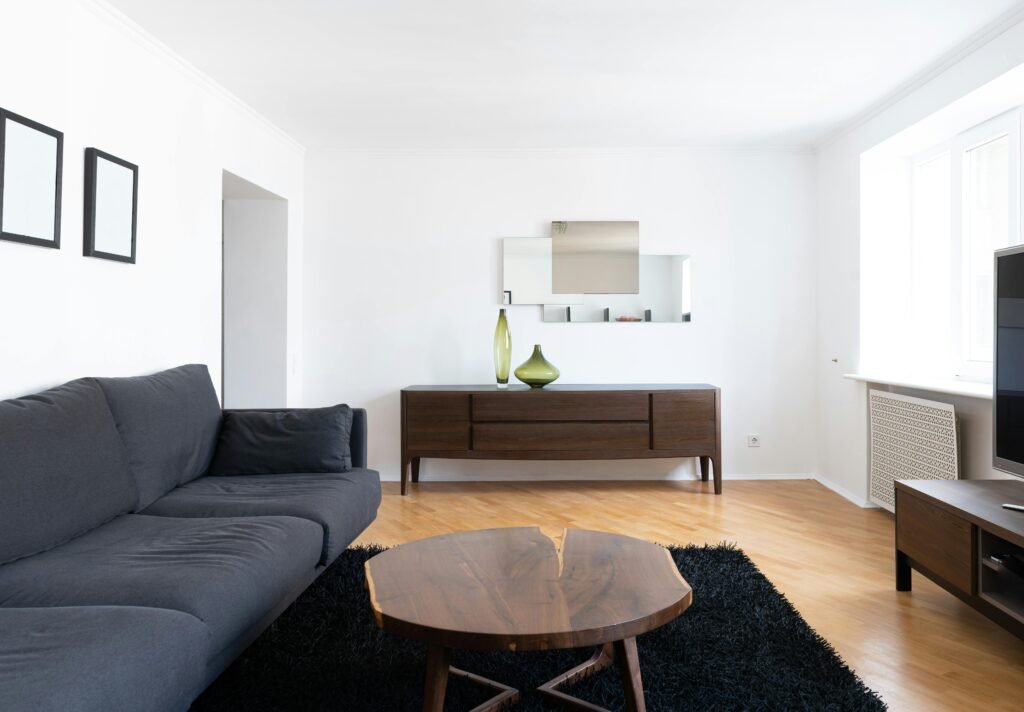
Almost without exception, these stays were better than the established listings we’d been paying more for. Not because the apartments were more impressive, some were simpler, but because the hosts were trying. They responded quickly. They’d thought about what a guest needs. They checked in to make sure things were okay. The kitchen had what it needed. The space was clean.
And the reason, we think, is straightforward: new hosts need good reviews. They haven’t yet reached the point where the bookings come regardless of quality. They are invested in your experience because your review genuinely matters to their listing’s future.
What this pattern reveals is uncomfortable but important: once reviews are established and bookings feel secure, some hosts shift from guest-focused to income-focused. Not all — many experienced hosts are excellent. But enough that the pattern is visible and consistent.
The Question Every Host Should Ask
If you haven’t walked through your listing recently, really walked through it, the way a guest arriving after a long journey would, it’s worth doing before you look at your pricing.
Not a quick scan. A proper assessment. Sit on the sofa. Sleep in the bed. Make a cup of tea and look around the kitchen. Stand in the bathroom and look at the grout, the towels, the soap situation.
Then ask yourself honestly: if I were paying what I’m charging, would I feel the stay was worth it?
If the sofa cushions are stained, if the mattress is tired, if the kitchen equipment is inadequate, if there’s clutter on every surface — and the price has increased since these things were last addressed — there’s a mismatch that your guests are noticing even if they’re not saying it directly in their review.
Being Realistic About What You’re Offering
We are not suggesting that hosts should undervalue their properties. Good locations, well-maintained apartments, attentive hosting, and genuinely comfortable spaces deserve fair compensation. If your listing is genuinely better than average: quieter building, quality furniture, thoughtful setup, consistent cleanliness, charging for that is entirely reasonable.
The question is not “what can I charge?” It’s “what am I offering the guest who pays this?”
Some things worth honestly assessing if you’ve raised prices recently:
Location — Is it genuinely convenient? Good transport links, safe neighbourhood, proximity to useful amenities? Location justifies price in a way that most other factors don’t.
Furniture and equipment — Are they in good condition? A listing with old, worn, or broken items feels mismatched with a premium price point. Replacing a tired sofa or a mattress that’s past its best is an investment that directly affects guest experience and review quality.
Cleanliness standard — Has it kept pace with the price? As we’ve written elsewhere, cleanliness is the most heavily weighted factor in Airbnb reviews. If the cleaning standard hasn’t improved alongside the price, guests will notice the discrepancy.
The little things — The details that make a stay comfortable rather than just functional. A well-stocked kitchen, good lighting, working appliances, clear information. These cost relatively little to maintain but communicate clearly whether a host is invested in the guest experience or not.
Why This Matters for Long-Term Guests Especially
Long-term guests — people staying for a month, two months, three months — represent a different kind of booking relationship. We are not passing through. We are living in your apartment. We are working from it, cooking in it, sleeping in it every night.
The value of a long-term guest is significant: fewer turnovers, less cleaning, more stable income, lower vacancy risk. Experienced hosts understand this and price for it — often offering a monthly discount precisely because the relationship is different.
What long-term guests find increasingly frustrating is paying a monthly rate that has risen substantially while the apartment itself has remained static or declined. When the price goes up and the experience doesn’t follow, the loyalty that long-term guests are willing to offer simply goes elsewhere.
We became loyal to new listings not because we wanted to — we would have preferred the familiarity of returning to places we knew. We became loyal to new listings because they offered something the established ones had stopped offering: the sense that our experience actually mattered to the host.
A Final Thought
There are two reasons to be an Airbnb host. One is to offer guests a genuinely good place to stay and earn income by doing that well. The other is to earn income from a property with as little effort as possible.
Both are legitimate choices. But only one of them justifies a premium price. And guests, particularly experienced ones who have stayed in many listings and know exactly what they’re looking at, can tell the difference within the first hour.
The hosts who will continue to earn well as Airbnb’s market matures are not necessarily the ones with the most impressive properties. They’re the ones who stay honest about what they’re offering, price it fairly, and keep investing in the experience. That combination builds the kind of reputation that generates bookings through good reviews and repeat guests — rather than through pricing to a market that increasingly knows what it’s worth.
Also check out:
- 7 Mistakes New Airbnb Hosts Make (And How to Fix Every One)
- How to Get 5-Star Airbnb Reviews: 7 Strategies That Actually Work
- How to Prepare Your Airbnb for Guests
- What Guests Expect from an Airbnb
Because when your Airbnb feels more like home, everyone wins.