My partner and I are not difficult guests. We don’t arrive with white gloves. We don’t inspect baseboards or check behind radiators. We understand that a short-stay rental is not a five-star hotel, and we have never once expected it to be.
But we do expect it to be clean. And after nearly seven years of living in Airbnbs across multiple countries — staying for three months at a time, arriving after long travel days, unpacking our lives into temporary spaces — we have learned that clean means something very different to different people.
This article is not written to criticise hosts. Most hosts genuinely try. Many hire professional cleaners specifically because they want to get this right. But there is a significant gap between what hosts assume is being done and what guests actually encounter, and after years of being on the receiving end of that gap, we want to share what we’ve seen in the hope that it genuinely helps.
The Reality of What Guests Find
Let us be specific, because vague advice doesn’t actually help anyone.
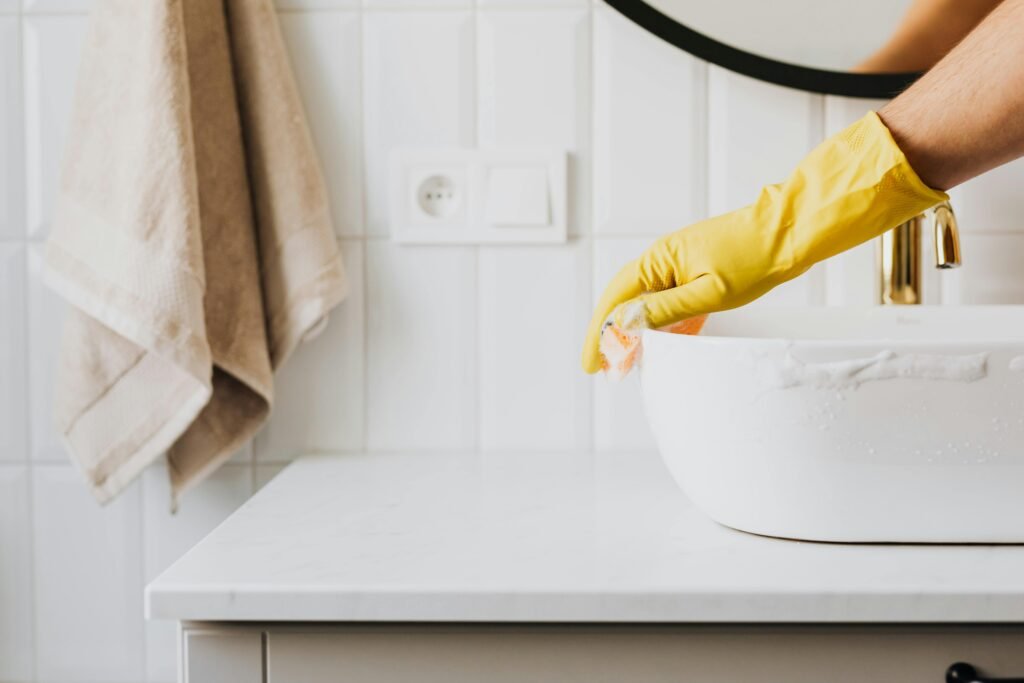
Over the years we have arrived at Airbnbs — some of them highly rated, some charging significant cleaning fees, and found: hairs on bathroom surfaces and in showers, urine stains on toilet seats, mop heads that were clearly not rinsed after their last use leaving streaks and smell across the floor, dirt and debris accumulated in the gaps between cushions, under furniture and beneath beds, stains on surfaces and fabrics, clipped nails embedded in carpets, full ashtrays on balconies, broken glass left on outdoor furniture, windows covered in fingerprints, and kitchen equipment: sponges, dish cloths, chopping boards that should have been replaced and weren’t.
We are not talking about one bad experience. These are patterns we have encountered repeatedly, across listings of varying price points and ratings.
For the first few years, we would message the host when we arrived to find something seriously wrong. We wanted to give them the opportunity to address it. What we encountered most often was either defensive denial — being told, essentially, that we were wrong and the apartment was clean, or silence. That experience is genuinely difficult. It takes something to send that first message, and being met with denial feels like being called a liar.
So we started documenting everything on arrival. Photos, videos, timestamps. Not because we want to make complaints, but because we want to be believed when something is genuinely wrong, and because that documentation protects both the guest and, ultimately, the host.
Why Professional Cleaning Isn’t Always Enough
Many hosts assume that hiring a professional cleaning company transfers the responsibility entirely. If the cleaners were there, the apartment is clean. Unfortunately, this is not always how it works in practice.
Professional cleaners, particularly those working quickly between back-to-back bookings, develop routines that cover the visible surfaces efficiently. What gets missed is almost always the same set of things: the areas that require a second look, the items that need replacing rather than cleaning, the details that only someone thinking like a guest would notice.
The most important thing a host can do is not simply hire a cleaner — it is to check what the cleaner has done. Not accusingly, not constantly, but regularly enough to catch the things that accumulate between visits: the mould beginning in a tile grout, the dish cloth that’s been used one stay too many, the bedding that’s been sitting in a cupboard long enough to smell stale.
A photo check or a brief video call with the cleaner before check-in takes minutes and catches the things that would otherwise show up in your reviews.
The Cleaning Checklist: What Gets Missed Most Often
These are the specific areas and items that cleaners most commonly overlook or do incorrectly based on years of arriving at Airbnbs and noticing exactly what wasn’t right.
The mop and cleaning water. One of the most common and least visible problems: a mop that isn’t rinsed after use, or cleaning water that isn’t changed between rooms. A dirty mop spread across a floor leaves it smelling worse than before it was cleaned. Check that your cleaner rinses the mop head and changes the water, or consider switching to a flat mop with disposable or washable pads.
The same cloth used on multiple surfaces. This is a hygiene issue, not just a cleanliness one. A cloth used to clean the toilet should never be used on kitchen surfaces, counters, or bathroom sinks. Make sure your cleaner either uses colour-coded cloths for different areas or uses fresh disposable cloths for each surface. If you’re not sure whether this is happening, it’s worth asking directly.
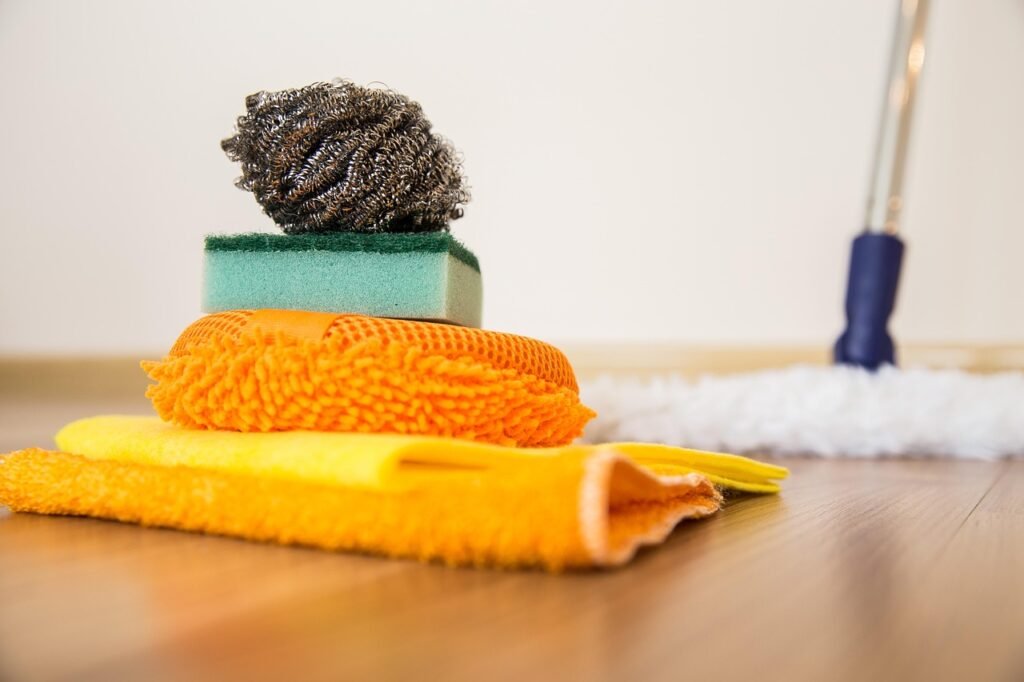
Sponges and dish cloths. These need to be replaced between every stay, or at a minimum, every few stays. A used sponge sitting in a kitchen from a previous guest is one of the first things a new guest notices and one of the clearest signals that the turnover wasn’t thorough. Keep a stock of new sponges and replace them as standard.
Upholstered furniture: sofas, chairs, headboards. Vacuuming the floor is routine. Vacuuming the sofa, the armchairs, and the gaps between and beneath the cushions is not. This is where hair, crumbs, and debris accumulate and where guests will notice it most quickly — particularly on longer stays where they’re actually living in the space. Add soft furniture to the cleaning checklist explicitly.
Under the bed and under other furniture. Floor cleaning often stops at the visible parts of the floor. The area under the bed, under the sofa, and beneath other low furniture accumulates dust, hair, and debris over time and needs to be addressed regularly — particularly between longer stays.
Upper shelves, bed rims, and high surfaces. Dust settles on surfaces that aren’t at eye level, and these are often the last things a quick clean addresses. Bed rims, upper shelves, the tops of wardrobes, light fittings, window ledges — these need to be part of the regular rotation, not just the occasional deep clean.
Windows and glass surfaces. Fingerprint-covered windows and glass surfaces create a strong impression of neglect, even in an otherwise clean apartment. Windows don’t need to be cleaned every time, but when they’re noticeably marked, they should be. Balcony doors and interior glass panels accumulate fingerprints particularly quickly.
The balcony. Balconies are easy to forget and easy for guests to notice. Full ashtrays from previous guests, swept dirt in corners, leaves, debris, and the occasional broken glass — all of these create a bad first impression and suggest the turnover was incomplete. If your property has a balcony, it needs to be part of the checklist, not an afterthought.
The bathroom in detail. Beyond the standard surfaces: the toilet brush holder (which needs cleaning and occasionally replacing), the tile grout in the shower and bathroom walls (which develops mildew over time and needs treating regularly), the shower tray, and the area behind the toilet and around the base. These are the areas that reveal a bathroom that’s been surface-cleaned versus one that’s been properly cleaned.
Leftover soap bars and products in the shower. A used soap bar from a previous guest should never be left for the next one. Check the shower for leftover products: shampoo bottles, soap bars, razors and remove them entirely. Provide fresh products for each new guest.
Kitchen equipment. Check that plates, mugs, glasses, and cooking equipment are actually clean, not just rinsed. Lipstick marks on glasses, food residue on pans, and cloudy marks on plates are easy to miss in a quick clean, and easy for guests to notice immediately. Check the utensil drawer; it accumulates crumbs and debris that rarely get addressed. And check that nothing is broken: a chipped mug or cracked plate should be removed from the kitchen, not left in rotation.
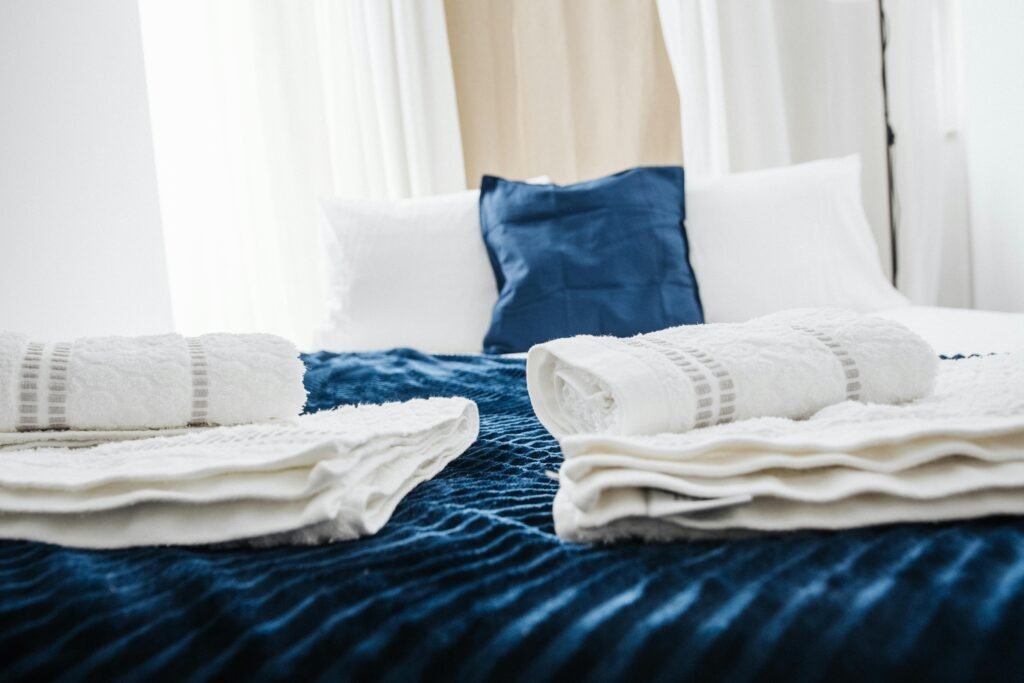
Spare bedding and towels in cupboards. This one surprises many hosts: guests sometimes use spare bedding from the cupboard and return it without mentioning it. Bedding left in a cupboard for multiple stays absorbs smells quickly — a stale, musty smell is immediately noticeable and hard to explain to a guest who has no context for it. The safest approach is to treat everything in the cupboard as potentially used and provide freshly laundered bedding and towels for every stay.
A Note on Cleaning Fees
If you charge a cleaning fee, and many hosts do, sometimes significantly, guests arrive with correspondingly higher expectations. A cleaning fee signals that the turnover is thorough and professional. When the space doesn’t reflect that, the disconnect is felt more sharply than it would be in a listing without one.
We are not suggesting that cleaning fees are unreasonable. We are suggesting that if you charge one, the standard of cleaning needs to justify it. The items on this list are not difficult to address — they simply require attention and a checklist that goes beyond the visible surfaces.
How to Stay on Top of It Without It Taking Over
This sounds like a lot, and we understand that. But most of these things only need to be done thoroughly on a rotation; after longer stays, or every few turnovers, for the items that don’t change quickly.
The practical approach is a two-tier checklist: a standard turnover checklist for every stay, covering the essentials that need to happen every time, and a deeper checklist for longer-stay turnovers or monthly checks that covers the things that accumulate more slowly. This way nothing falls through the gaps indefinitely, but you’re also not spending hours on a deep clean after every two-night booking.
We share free checklists on Homirenn specifically for this — built around exactly this kind of real-world experience.
The hosts who get consistently great reviews on cleanliness are not necessarily the ones with the most expensive cleaning service. They’re the ones who check, who maintain a routine, and who think about the apartment the way a guest arriving after a long journey would experience it.
That shift from “it was cleaned” to “would I be happy arriving here tonight?” is what makes the difference.
Also check out:
- Airbnb Turnover Cleaning Checklist — Free Download
- Airbnb Guest Essentials Checklist — Free Download
- What Guests Check First When They Arrive at an Airbnb
- The Subtle Details Guests Notice in an Airbnb
- Why Every Airbnb Guest Should Document Everything on Arrival
Because when your Airbnb feels more like home, everyone wins.