There’s a particular kind of awkwardness that comes with arriving at an Airbnb and finding something wrong. The apartment isn’t quite clean. Something’s broken. The listing described a quiet street and you’re currently listening to traffic outside a window that clearly doesn’t seal properly.
You stand there, bags still packed, trying to decide what to do.
And for most guests — ourselves included, for a long time — the answer is to say nothing. You unpack. You clean the thing that should have been cleaned before you arrived. You make a mental note about the broken blind and decide you can live with it. You focus on settling in and try not to think about the fact that you paid for a service that hasn’t quite been delivered.
This is more common than most people admit, and it took us several years of Airbnb living before we understood why — and why it’s worth doing things differently.
Why Guests Stay Quiet (Even When They Shouldn’t)

After years of living in Airbnbs across multiple countries, we noticed something about our own behaviour that took a while to acknowledge: we were consistently reluctant to raise issues, even legitimate ones, even when we were paying for a stay of several weeks or months.
Part of it was the dynamic of being a guest in someone’s home — even when it’s a commercial listing, it can feel personal to criticise it. Part of it was simply not wanting conflict, especially early in a stay when you’re trying to settle in and build a decent relationship with the host. And part of it — and this one is worth naming directly — was fear about our own guest rating.
Airbnb guests are rated too, and for guests who take pride in being respectful, easy-going, and low-maintenance, the idea of being seen as a “difficult guest” feels genuinely uncomfortable. Even when the complaint is completely valid. Even when you’ve been nothing but polite. Even when you’re right.
So instead of saying anything, we’d start cleaning. We’d move furniture around the broken item. We’d put towels along the bottom of the window that didn’t seal. We’d adapt and absorb the inconvenience and tell ourselves it was fine.
It took us a surprisingly long time to remember something obvious: we had paid for a service. And when a service isn’t delivered as described, you have every right — politely, calmly, and through the right channels — to say so.
The Taiwan Experience: When Staying Quiet Wasn’t an Option
In our sixth year of Airbnb living, we started documenting things properly. Taking photos on arrival. Making notes. Raising issues through the app rather than absorbing them. That shift came partly from experience and partly from one particular stay that made the importance of it impossible to ignore.
We arrived at an apartment in Taiwan, booked for 10 weeks. Within the first hour, it was clear that something was seriously wrong. The apartment was in a state that no reasonable person would describe as ready for guests — surfaces that clearly hadn’t been cleaned, a sofa that turned out to contain a few dead cockroaches, walls that were chipped and marked, and ceilings with the unmistakable brown staining of previous water damage.
The water damage turned out to be active. After heavy rainfall in our 3rd week, the roof was leaking — not through a wall or a corner, but through the electrical wiring in the ceiling. We raised it with the host. And then we waited. And waited. Nothing was done.
There was also no mention in the listing of the single-glazed windows, or of the fact that the apartment sat directly in the flight path of a busy airport. Every fifteen minutes or so, a plane passed close enough overhead that conversation in the living room was genuinely impossible. This was not a minor omission.
We contacted Airbnb Support and reported everything — the safety issue with the wiring, the cleanliness, the noise, the undisclosed conditions. Airbnb examined the case, contacted the host, and gave him the opportunity to cooperate. He refused.
The outcome: the listing was eventually removed from the platform, and we received a full refund for the entire 30-day stay plus compensation.
None of that would have been possible without documentation. The photos we’d taken on arrival, the messages we’d sent through the app, the timeline we’d kept — all of it was the evidence that allowed Airbnb to act. Had we simply complained verbally and let it go, we would have had no case and no recourse.
In seven years of Airbnb living, we’ve encountered a situation that serious only twice. But that experience made one thing permanently clear: documentation isn’t paranoia. It’s protection.
What to Do When You Arrive: A Simple Checklist
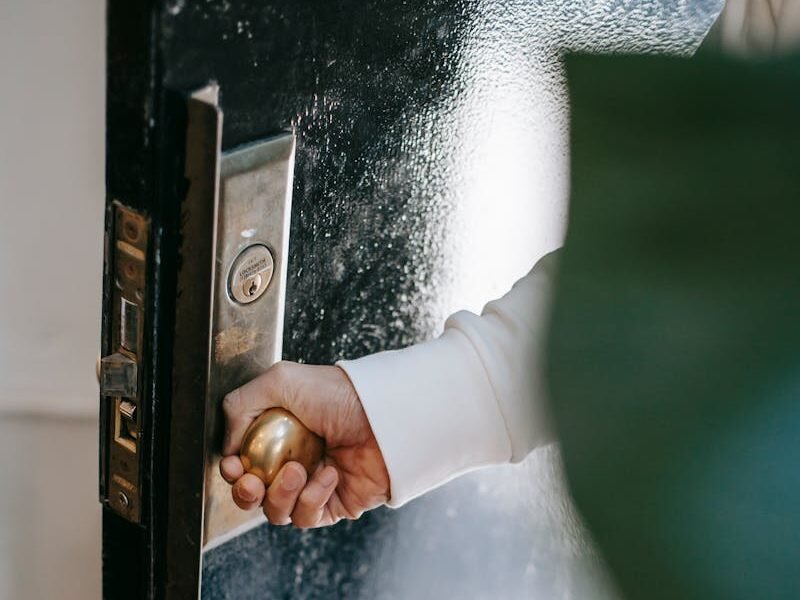
You don’t need to approach every check-in like an investigation. For the vast majority of stays, a few minutes of attention on arrival is all it takes to give yourself a record if you ever need one.
Before you unpack, do a quick walkthrough:
- Take photos of each room, including any areas that don’t look right — not just as evidence of problems, but as a general record of the condition on arrival
- Test the key things: hot water, heating or air conditioning, Wi-Fi, any appliances mentioned in the listing
- Check the beds and bedding
- Open the windows and check they seal properly
- Look at the bathroom and kitchen surfaces
- Note anything that’s already broken, marked, or missing
This takes about ten minutes and most of the time you’ll find nothing to worry about. But if you do find something, you have a timestamped record taken before you touched anything.
How to Raise an Issue — Without Feeling Like You’re Complaining
This is where many guests struggle, and it’s worth addressing directly because the discomfort is real.
Raising an issue with a host doesn’t make you a difficult guest. It makes you a guest who is communicating clearly and giving the host an opportunity to fix something. Most good hosts genuinely want to know if something isn’t right — not because they like receiving criticism, but because they can’t fix what they don’t know about, and an unresolved issue is far more likely to affect their review than a politely flagged one that gets sorted.
The key is tone and channel.
Always communicate through the Airbnb app. Not through WhatsApp, not through email, not verbally. Through the app. This creates a written record that Airbnb can access if a dispute ever arises. Verbal conversations and messages on other platforms cannot be verified by Airbnb Support.
Keep the message factual and calm. You don’t need to express frustration or explain how disappointed you are. A simple, clear message works: “Hi — just arrived and wanted to let you know that [specific issue]. Happy to send a photo if helpful. Let me know how you’d like to handle it.” That’s it. No drama, no accusation, just information.
Give the host a reasonable chance to respond. Most issues — a cleaning miss, a broken item, something the previous guest left — can be resolved quickly by a host who’s paying attention. Give them the opportunity to do that before escalating.
When to Contact Airbnb Support Directly

Most issues can and should be resolved between guest and host first. But there are situations where contacting Airbnb Support directly is the right move, and it’s important to know when that is.
Contact Airbnb Support if:
- The issue affects your safety — a structural problem, a gas or electrical concern, a pest infestation, anything that makes the property genuinely unsafe to stay in
- The host is unresponsive or refuses to acknowledge a legitimate problem
- The property is significantly different from how it was described in the listing — not a minor difference, but a material one that would have affected your decision to book
- You’re considering leaving early and want to understand your options before you do
When you contact Support, have your documentation ready: photos with timestamps, the message thread showing you raised the issue and the host’s response (or lack of one). Airbnb takes these cases seriously when there’s a clear record, and their resolution process is designed to be fair to both sides — which means that as a guest with a legitimate complaint and evidence to support it, you’re in a strong position.
A Note on Guest Ratings
The fear of being rated badly for raising a legitimate issue is real, and it’s worth addressing honestly.
Here’s what the evidence of years of travel consistently shows: polite, documented, factual communication does not result in bad guest ratings. What results in bad guest ratings is aggressive communication, unreasonable demands, or behaviour that’s genuinely difficult. Raising a concern calmly through the proper channel, giving the host a chance to respond, and following up if they don’t — that’s exactly how a respectful, mature guest handles a problem. Any host who rates you poorly for that is not a host whose rating should concern you.
The guests who receive consistently good ratings are not the ones who say nothing and absorb every inconvenience silently. They’re the ones who communicate well — including when something isn’t right.
The Honest Takeaway
For years, we cleaned things that shouldn’t have needed cleaning, stayed quiet about things that deserved to be raised, and absorbed inconveniences that weren’t ours to absorb. We were polite, we were easy-going, and we consistently left places cleaner than we found them. And we said nothing.
Looking back, the silence didn’t serve us and it didn’t serve the hosts either. A host who never hears that something is wrong has no reason to fix it — which means the next guest faces the same thing.
Raising issues politely, through the right channel, with a clear record, is not being a difficult guest. It’s being an honest one. And in the long run, it’s better for everyone: guests who get the stay they paid for, and hosts who get the feedback they need to keep improving.
Also check out:
Because when your Airbnb feels more like home, everyone wins.